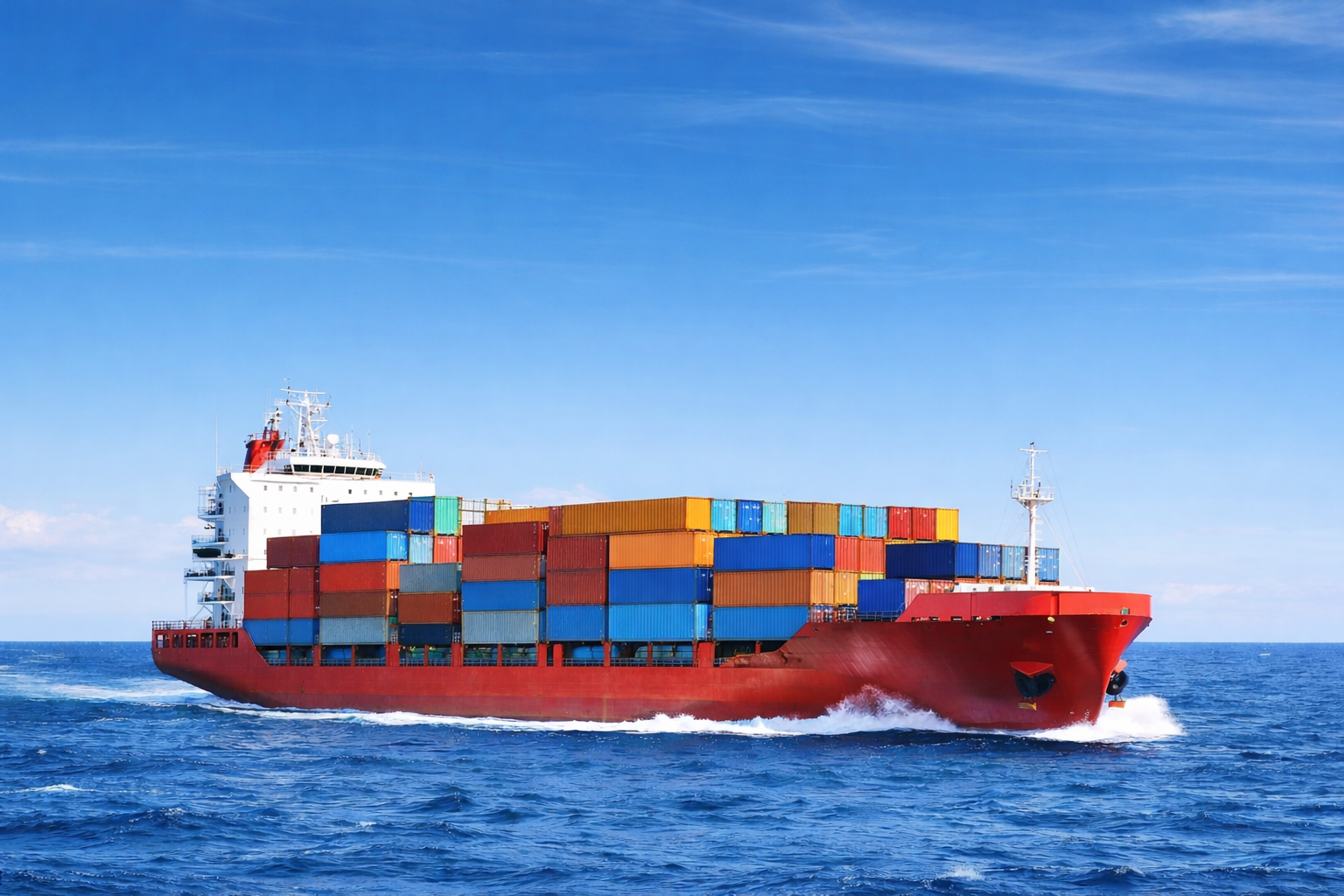
International trade depends heavily on the movement of goods across oceans. From raw materials to finished products, a large portion of global commerce travels by sea. Behind this movement is a key player many businesses rely on but rarely fully understand — the ocean freight forwarder.
This guide explains what an ocean freight forwarder does, how the process works, and why ocean freight remains a vital part of modern supply chains.
What Is an Ocean Freight Forwarder?
An ocean freight forwarder is a logistics specialist who organizes and manages the transportation of goods by sea on behalf of importers and exporters. Rather than operating ships themselves, freight forwarders coordinate with shipping lines, ports, customs authorities, and inland transport providers to ensure cargo moves smoothly from origin to destination.
Their role is largely about planning, documentation, coordination, and problem-solving — especially when shipments cross international borders.
Why Ocean Freight Remains Important
Despite the rise of air freight and express shipping, ocean freight continues to be the backbone of global trade. It is especially important for:
- Large or heavy cargo
- Bulk commodities
- Cost-sensitive shipments
- Long-distance international trade
Ocean freight allows businesses to move high volumes of goods at lower costs compared to air transport. While transit times are longer, the economic advantages often outweigh speed for many industries.
Key Responsibilities of an Ocean Freight Forwarder
An ocean freight forwarder manages multiple steps in the shipping journey. These responsibilities usually include:
- Route planning: Selecting efficient sea routes and schedules
- Carrier coordination: Booking space with ocean shipping lines
- Documentation: Preparing bills of lading, invoices, and shipping documents
- Customs coordination: Ensuring cargo complies with import and export regulations
- Cargo tracking: Monitoring shipments throughout transit
Each shipment involves multiple parties and time-sensitive steps, making coordination essential.
How the Ocean Freight Process Works
While every shipment is different, the general process typically follows these stages:
- Shipment planning: Cargo details, volume, and timelines are reviewed
- Booking and scheduling: Space is reserved with a shipping line
- Cargo preparation: Goods are packed and containerized
- Export procedures: Documentation and customs formalities are completed
- Ocean transit: Cargo travels between ports
- Arrival and clearance: Import documentation and inspections occur
- Inland delivery: Goods move to warehouses or final destinations
An ocean freight forwarder oversees this flow, addressing delays or disruptions when they occur.
The Importance of Documentation and Compliance
International shipping involves strict regulatory requirements. Missing or incorrect documentation can result in delays, fines, or cargo being held at port.
Ocean freight forwarders help manage:
- Bills of lading
- Commercial invoices
- Packing lists
- Export and import declarations
Their familiarity with international trade rules reduces risk and improves shipment reliability.
Challenges in Ocean Freight Shipping
Ocean freight forwarding is not without challenges. Some common issues include:
- Port congestion
- Weather disruptions
- Schedule changes
- Capacity shortages
- Regulatory updates
Experienced forwarders anticipate these risks and adjust plans accordingly, helping businesses avoid costly delays.
Technology and Modern Ocean Freight Forwarding
Technology has transformed the way ocean freight is managed. Digital tracking systems, electronic documentation, and real-time communication tools have improved transparency across supply chains.
Businesses now expect greater visibility into shipment status, estimated arrival times, and potential delays — making data and communication an essential part of freight forwarding services.
Choosing the Right Ocean Freight Approach
Every shipment has different priorities. Some businesses focus on cost efficiency, while others prioritize schedule reliability or flexibility. Ocean freight forwarders help balance these needs by offering tailored shipping solutions based on cargo type, destination, and timeline.
Conclusion
An ocean freight forwarder plays a critical role in global trade by coordinating complex shipping processes across borders and oceans. From documentation to delivery, their work ensures that goods move efficiently and compliantly through international supply chains.
Understanding how ocean freight forwarding works helps businesses make informed logistics decisions and build more resilient shipping strategies in an increasingly interconnected world.