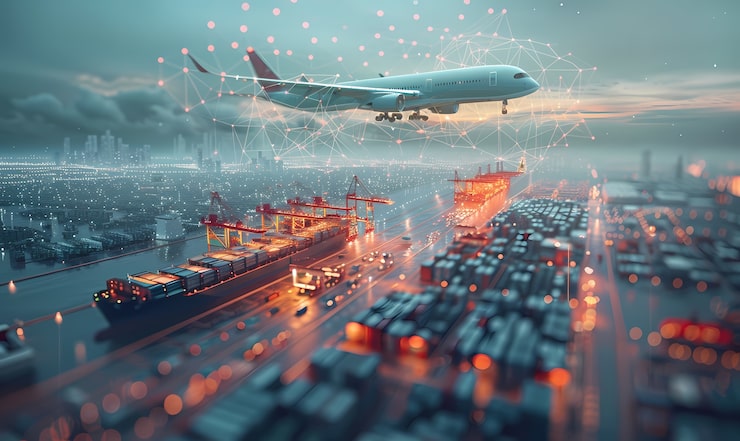
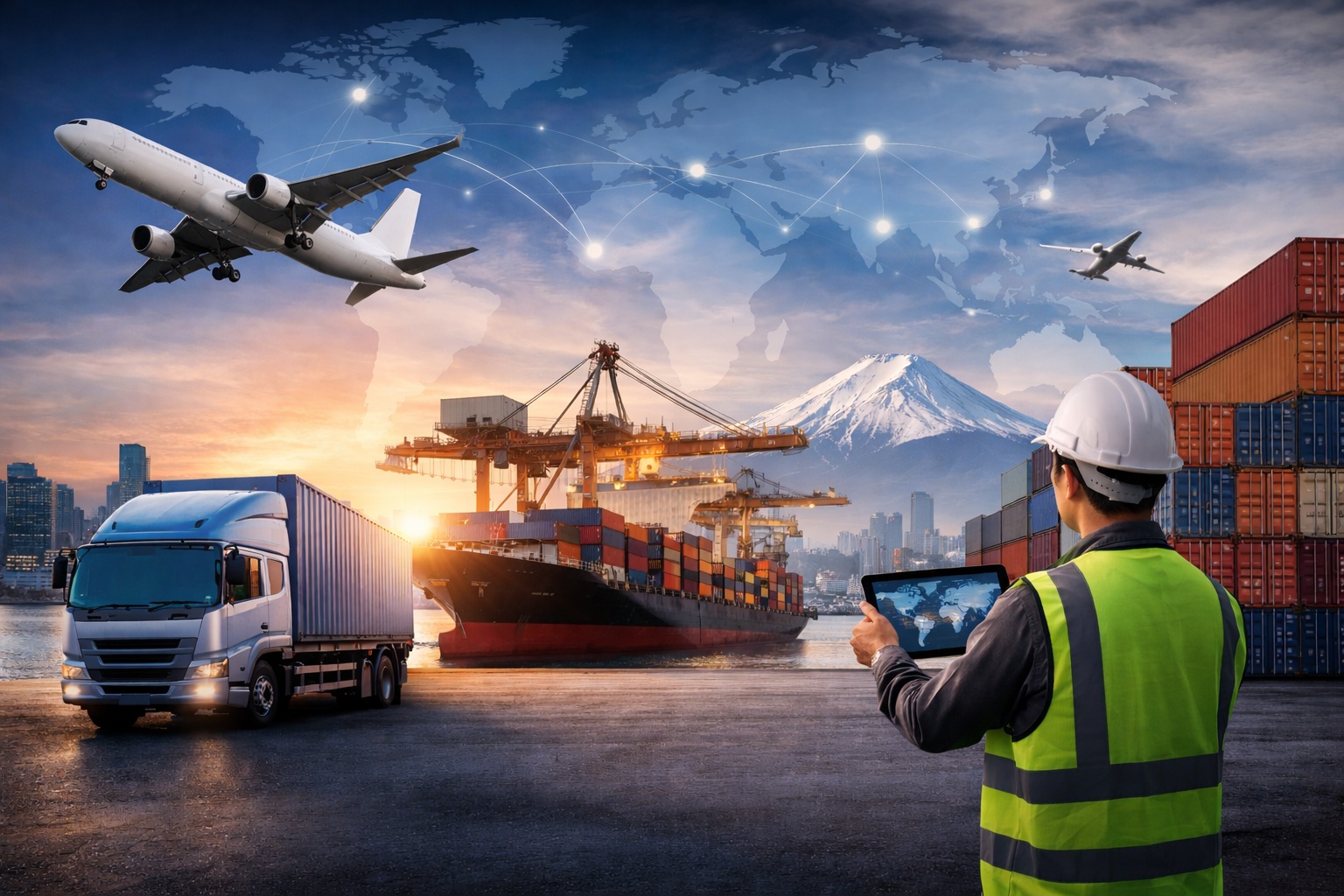
Freight forwarding in Japan plays a vital role in global trade, connecting domestic manufacturers with international markets through efficient logistics networks. As one of the world’s most advanced economies, Japan offers highly developed transportation infrastructure, reliable shipping routes, and streamlined customs systems that support smooth cargo movement.
Understanding how freight forwarding works in Japan can help businesses improve supply chain efficiency, reduce transportation risks, and maintain consistent delivery performance.
What Is Freight Forwarding?
Freight forwarding refers to the coordination and management of cargo transportation from origin to destination. Freight forwarders act as logistics specialists who arrange shipping via ocean, air, rail, or road while handling documentation, customs clearance, and regulatory compliance.
In Japan, freight forwarding companies operate within a highly organized logistics ecosystem supported by modern ports, expressways, and advanced tracking technologies.
Japan’s Strategic Position in International Trade
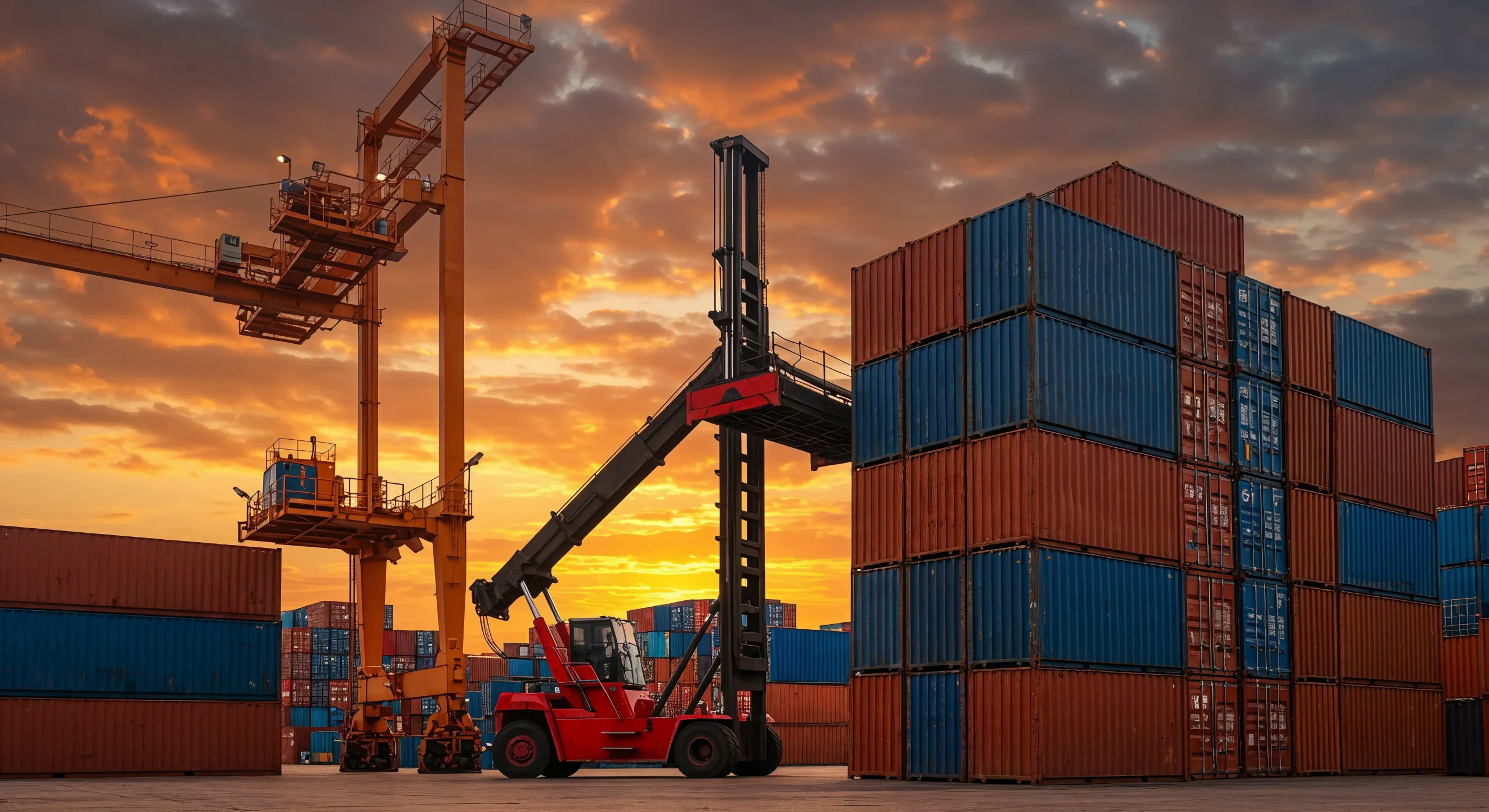
Japan’s geographic location makes it a key gateway between Asia and Western markets. Major seaports such as Tokyo, Yokohama, and Osaka handle significant cargo volumes annually, supporting exports of automotive products, machinery, electronics, and industrial materials.
This strategic position strengthens Japan’s role in international transportation and enables international freight forwarders to provide reliable global trade solutions.
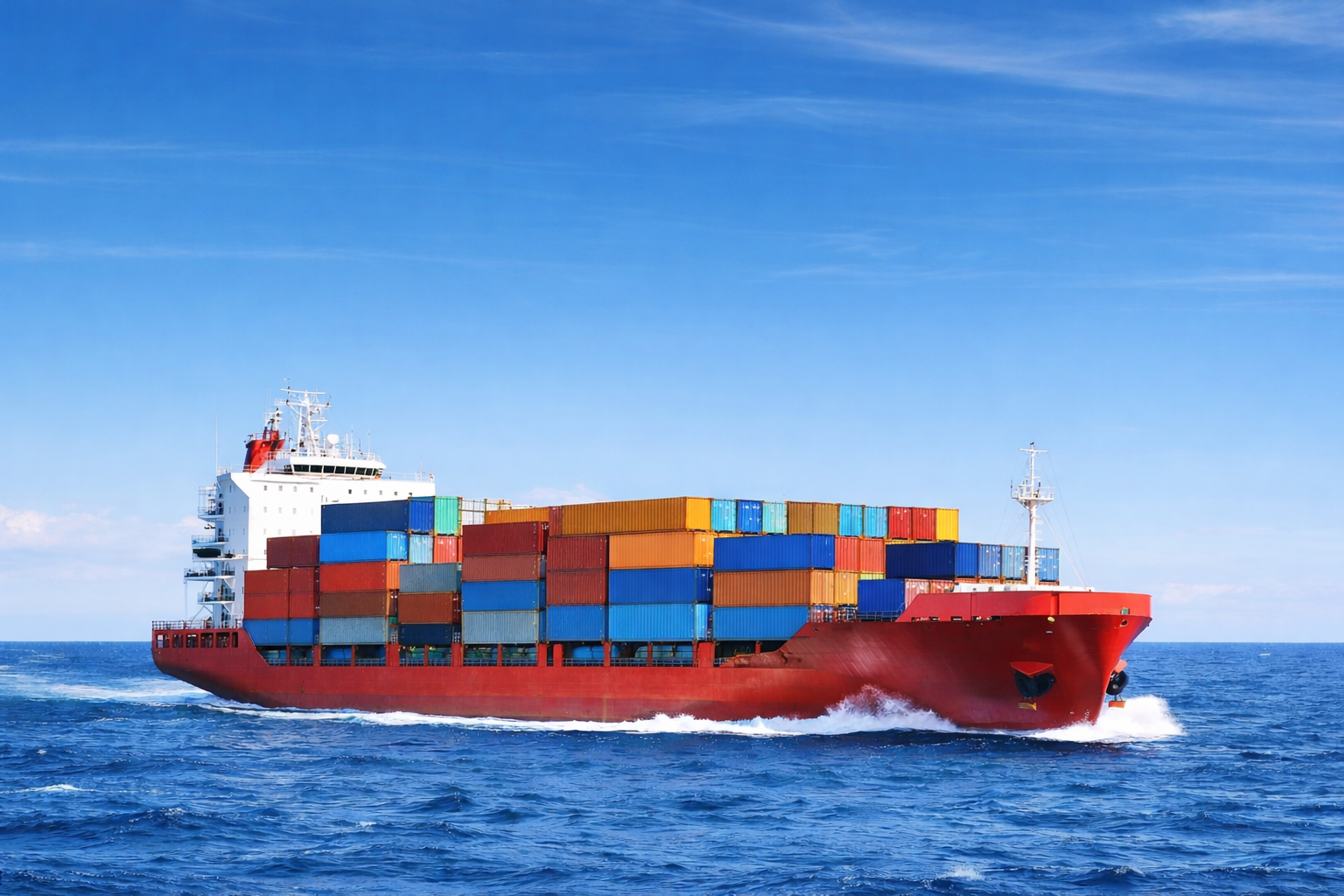
The Role of Ocean Freight in Japan
Ocean freight remains the backbone of international shipping due to its cost efficiency and scalability. Businesses moving large volumes of goods rely on containerized shipping solutions, including:
- Full Container Load (FCL)
- Less than Container Load (LCL)
- Breakbulk cargo handling
Ocean freight supports stable transit schedules and cost-effective transportation, particularly for long-distance international shipments.
Importance of Japanese Trucking in Domestic Logistics
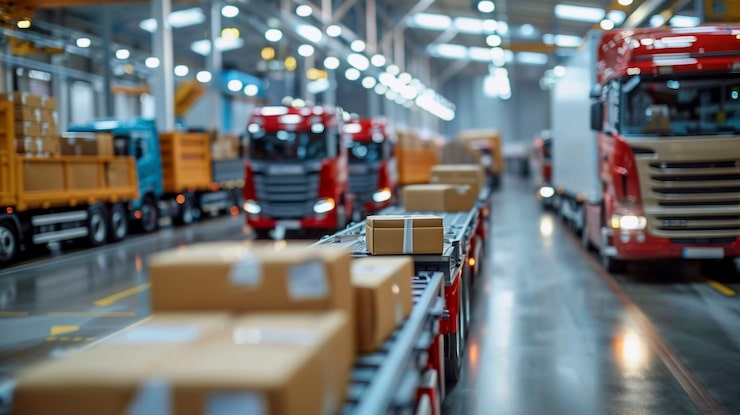
Japanese trucking plays a critical role in connecting ports, airports, warehouses, and distribution centers across the country. Japan’s road infrastructure is well maintained and technologically advanced, enabling smooth inland transportation.
Efficient trucking services ensure:
- Timely port-to-door delivery
- Reduced cargo handling delays
- Seamless coordination with ocean and air freight
The integration of trucking with sea and air transportation strengthens Japan’s overall freight forwarding system.
How Freight Forwarding Companies Add Value
Professional freight forwarding companies in Japan provide more than transportation booking. Their services typically include:
- Customs documentation management
- Cargo insurance coordination
- Route optimization
- Warehousing and distribution planning
- Regulatory compliance support
By managing these operational details, freight forwarders reduce complexity and allow businesses to focus on production and sales.
International Freight Forwarders and Cross-Border Compliance
International freight forwarders bridge domestic operations with global markets. They understand trade regulations, import/export procedures, and international shipping standards.
This expertise minimizes delays at customs, reduces financial risks, and ensures shipments comply with international trade laws.
Why Businesses Rely on Freight Forwarding in Japan
Companies choose freight forwarding in Japan because of:
- Reliable transportation networks
- Advanced logistics infrastructure
- Strong regulatory compliance standards
- Efficient integration of ocean freight and trucking
These factors help maintain stable supply chains even in dynamic global markets.
Conclusion
Freight forwarding in Japan continues to support global commerce through integrated transportation systems, efficient Japanese trucking networks, and reliable international shipping services. By working with experienced freight forwarding companies and international freight forwarders, businesses can streamline logistics operations and improve global trade performance.
Understanding how these systems function allows companies to make informed logistics decisions and remain competitive in international markets.
We regularly share updates and insights about freight forwarding in Japan and international logistics. You can follow us on: